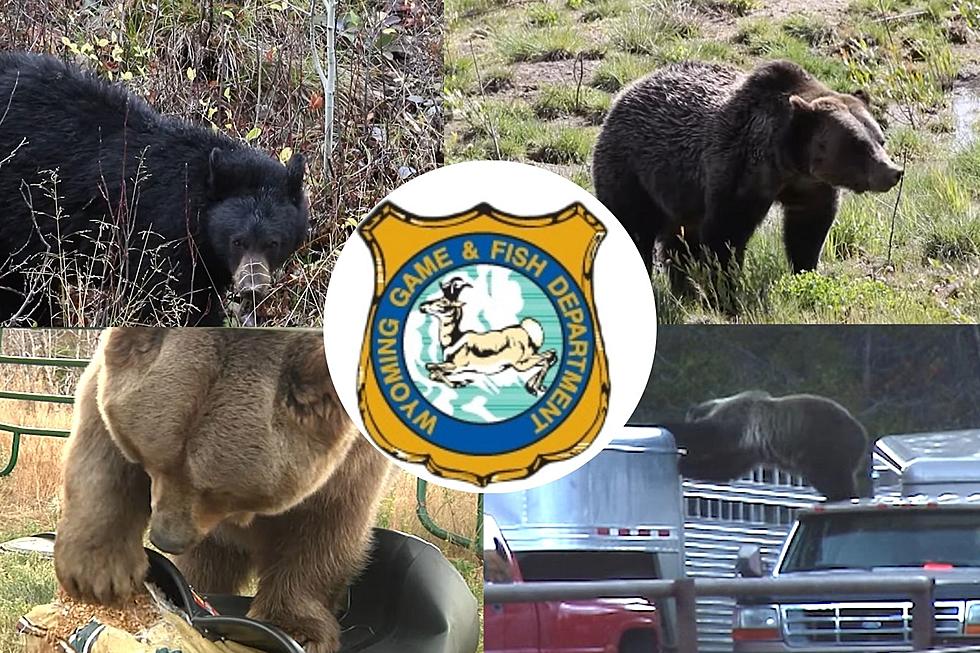

Grizzly Drama: Federal Delay Leaves Wyoming Bears’ Future Up in the Air
The federal government just hit pause on finalizing new grizzly bear regulations in the lower 48 states, pushing the decision all the way to the end of the year. And that delay has wildlife advocates nervous: could this be a backdoor attempt to strip the iconic Northern Rockies bears of their endangered status?
Grizzlies have mostly been protected since 1975, but debate over their future has been fierce. The last proposal from the U.S. Fish and Wildlife Service — dropped in the waning days of the Biden administration — would have kept the bears listed, with some adjustments, like letting landowners protect livestock under certain circumstances.
After racking up more than 200,000 public comments, the Service was supposed to finalize the rules by Jan. 31, following a court order from Idaho. Instead, Acting Assistant Director Gina Shultz requested an extension.
“In the months following the publication of the proposed rule, the Service experienced a change in administration, unforeseen staffing turnover and shortages, a regulatory backlog, and was without a Senate-confirmed director until August 1, 2025,” Shultz wrote in court papers. She also blamed the recent federal shutdown and the complexity of regulating grizzlies.
District Judge David C. Nye signed off, giving the agency until Dec. 18, 2026, to finalize a rule that complies with the Endangered Species Act — whether that means tweaking protections or removing them entirely.
Environmental groups aren’t taking the delay lightly. “We think that this extension likely signals a proposed delisting rule in the future,” said Andrea Zaccardi, carnivore conservation legal director at the Center for Biological Diversity. The nonprofit is one of several suing to keep grizzlies federally protected.
Zaccardi points to Fish and Wildlife Service Director Brian Nesvik — a Trump appointee and former Wyoming Game and Fish Department official — who has previously pushed to delist bears. In a recent House Committee hearing, Nesvik told Rep. Harriet Hageman (R-Wyoming) that Wyoming has met the criteria to delist the species, though Hageman’s proposed bill hasn’t gained traction in Congress.
“I do believe recovery is clear,” Nesvik said. “And now it’s my job in this role to consider how we use the best available science to move forward.”
But critics insist the science doesn’t support removing protections. “The Service clearly noted that the science does not support delisting in its proposed rule last year,” Zaccardi said.
The debate boils down to geography and genetics. States pushing for delisting — Idaho, Montana, and Wyoming — point to population numbers that have surpassed federal targets. Opponents counter that grizzlies still occupy only a fraction of their historic range and lack genetic diversity. Courts have even ordered states to transport bears across ecosystems to boost interbreeding.
The Fish and Wildlife Service hadn’t responded about potential delisting moves by publication time. Zaccardi said the agency would have to propose a new rule and take public comment, which could happen as early as spring, leaving a final decision by mid-December.
“If a delisting rule is finalized this year, we will plan to challenge that in court,” she added.
5 of History's Most Horrifying and Deadly Bear Attacks
Gallery Credit: Kolby Fedore, TSM
Beartrap Summer Festival 2024
Gallery Credit: Kolby Fedore, TSM
More From My Country 95.5